
Do you have any questions? The clear answer is here.
Product choice, charging, battery life, uninterruptible power, warranty and orders — the answers come from the product manuals and our agreements.
Which model should I choose?
Based on the power of your devices and the runtime you need.
Detail →What happens when the power goes out?
EPS switchover time and what to watch out for.
Detail →Which models accept an expansion battery?
Compatible expansion batteries and the maximum number.
Detail →When will my order arrive?
Shipping, delivery time and the right of return.
Detail →We couldn't find an answer to this
Try different words, or just ask us directly. If your unit shows an error code on its screen, look it up in the dictionary.
Which model suits you, how long it runs your devices, and which models accept an expansion battery.
Nova is the portable series (camping, travel, small loads), Orion the general series (everyday use at home and at work), Aura the premium home series (higher power, longer runtime), Force the industrial series (construction sites and field work). The model is then set by the total power of your devices (W) and the runtime you need (Wh).
Approximate runtime = usable capacity ÷ device power; usable capacity is about 85% of the rated figure, the rest is lost in conversion. Every product page lists calculated runtimes for commonly used appliances.
Stack B2 works with Orion 1000/2000/3000 and Force up to 15 units, and with Aura up to 8. Stack B5 is for Orion 5000 and Force Max, Stack A5 for Aura Ultra. Nova and Nova Plus do not support expansion batteries.
The unit detects it, reports an error and will not run; the screen shows E030 (E08/E30 on Aura and Stack A5). Connect the correct model and it returns to normal — do not force it.
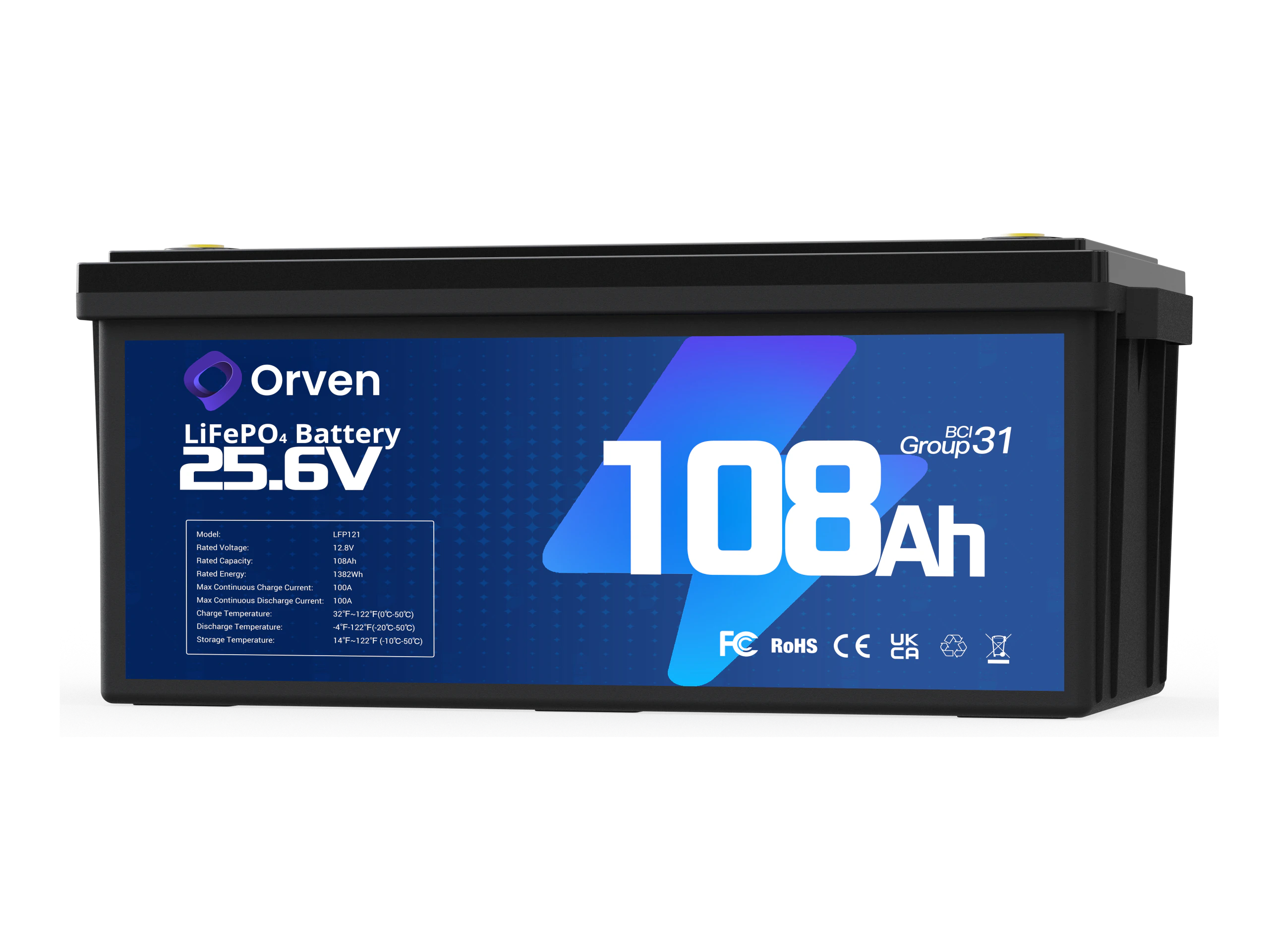
Portable power stations are complete units you plug in and use, with a built-in inverter and sockets. LFP batteries are bare batteries supplying 12V/25.6V direct current; they are used in caravans, boats or self-built systems together with an inverter and a charger.
Charging from a socket, from the sun, from a vehicle and from a generator; connecting panels.
Three ways: from a wall socket with the AC cable, from a solar panel, and from a vehicle's 12V socket. Times vary by model and are listed on the product page; on models that accept several sources at once, charging is faster.
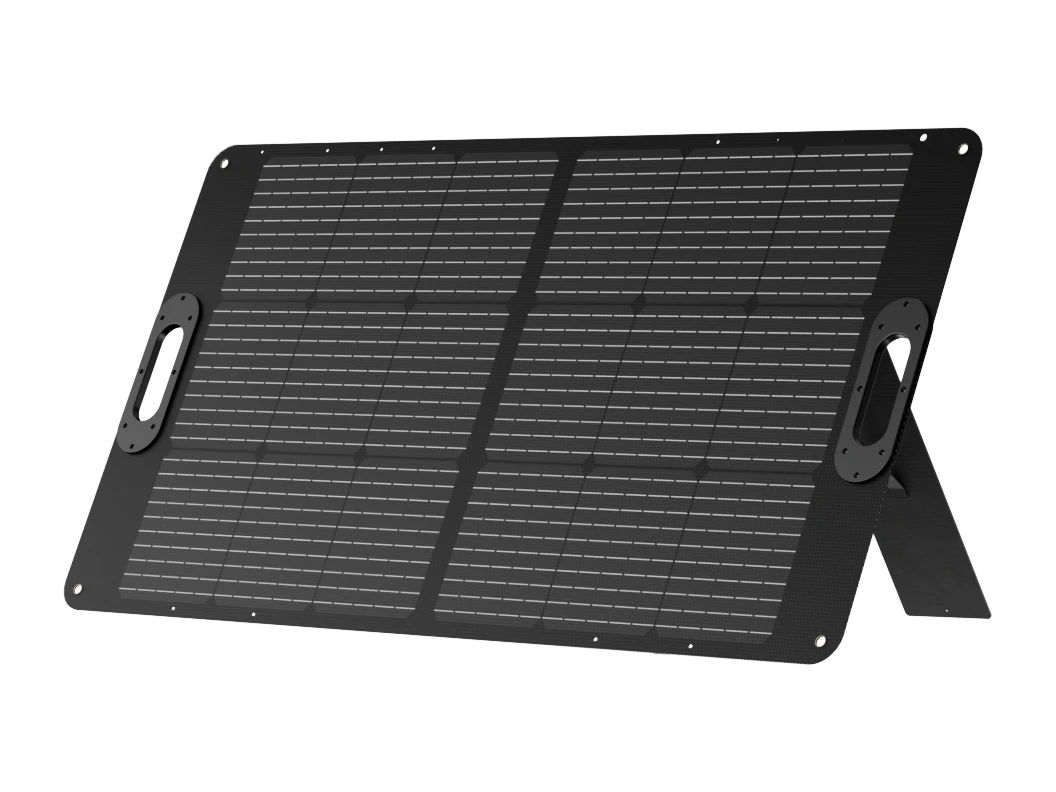
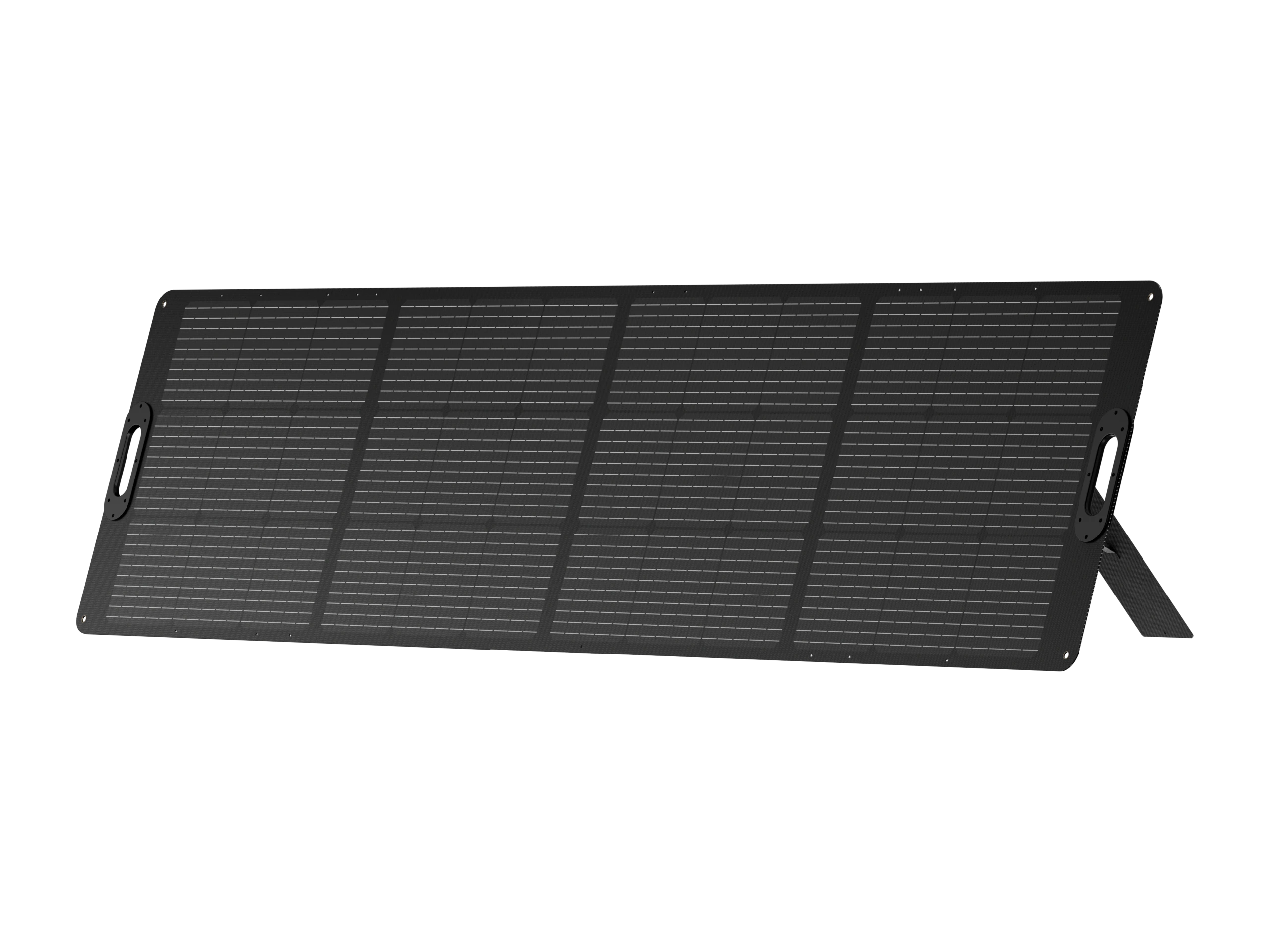
Yes. Each model has its own MPPT voltage range and maximum solar input power; do not exceed the values on the product page. Orven panels connect directly with a 7909 connector, and can also be chained using MC4.
Yes, but only panels with identical specifications. In series the voltages add up and the current stays the same; in parallel the currents add up and the voltage stays the same. The total must not exceed the unit's solar input limit.
Yes, provided the generator has a built-in pure sine wave inverter. Damage caused by a generator without this feature is not covered by the warranty.
Yes, you can use the outputs while charging. In uninterruptible power (EPS) mode, make sure the total input and output power stays below the model's limit.
Battery chemistry, service life and what to do if the unit will not be used for a long time.
All Orven products use LiFePO4 (lithium iron phosphate). It is thermally stable, with a lower risk of overheating and fire than other lithium chemistries.
Portable power stations and Stack expansion batteries last about 10 years, even with daily use; LFP batteries over 8 years. That is not an end date — the unit does not stop working that day; in a LiFePO4 battery the capacity drops slowly over the years, so a single charge lasts a little less. The warranty is separate: 2 years; 3 years with product registration for portable power stations and Stack modules.
Charge it to about 60% and switch it off before storing; keep it somewhere dry, well ventilated and at room temperature. In long-term storage, fully discharge and fully recharge it every 3 months.
If the product is neither charged nor discharged for 6 months, the warranty becomes void. If you will not use it for a long time, follow the maintenance steps above.
If the ambient temperature is below 0°C, charge LFP batteries indoors; if the battery's own temperature is below 0°C, do not charge it at all. Portable power stations have low-temperature protection that stops charging anyway.
How the unit behaves when the power goes out, and what to watch out for.
Yes, the EPS function is enabled by default. With the unit plugged in and the load on the AC output, it switches to battery power automatically if the grid fails. The switchover takes ≤20 ms on Orion, Aura and Force, and ≤10 ms on Nova and Nova Plus.
Yes. When the grid fails, the unit switches to battery within 10-20 ms depending on the model; desktop power supplies bridge a gap that short with their own capacitors (the ATX standard specifies a minimum hold-up time of 17 ms), so your computer stays on. Pull the plug once after installation and test it; do not, however, directly connect specialist equipment that tolerates no interruption at all.
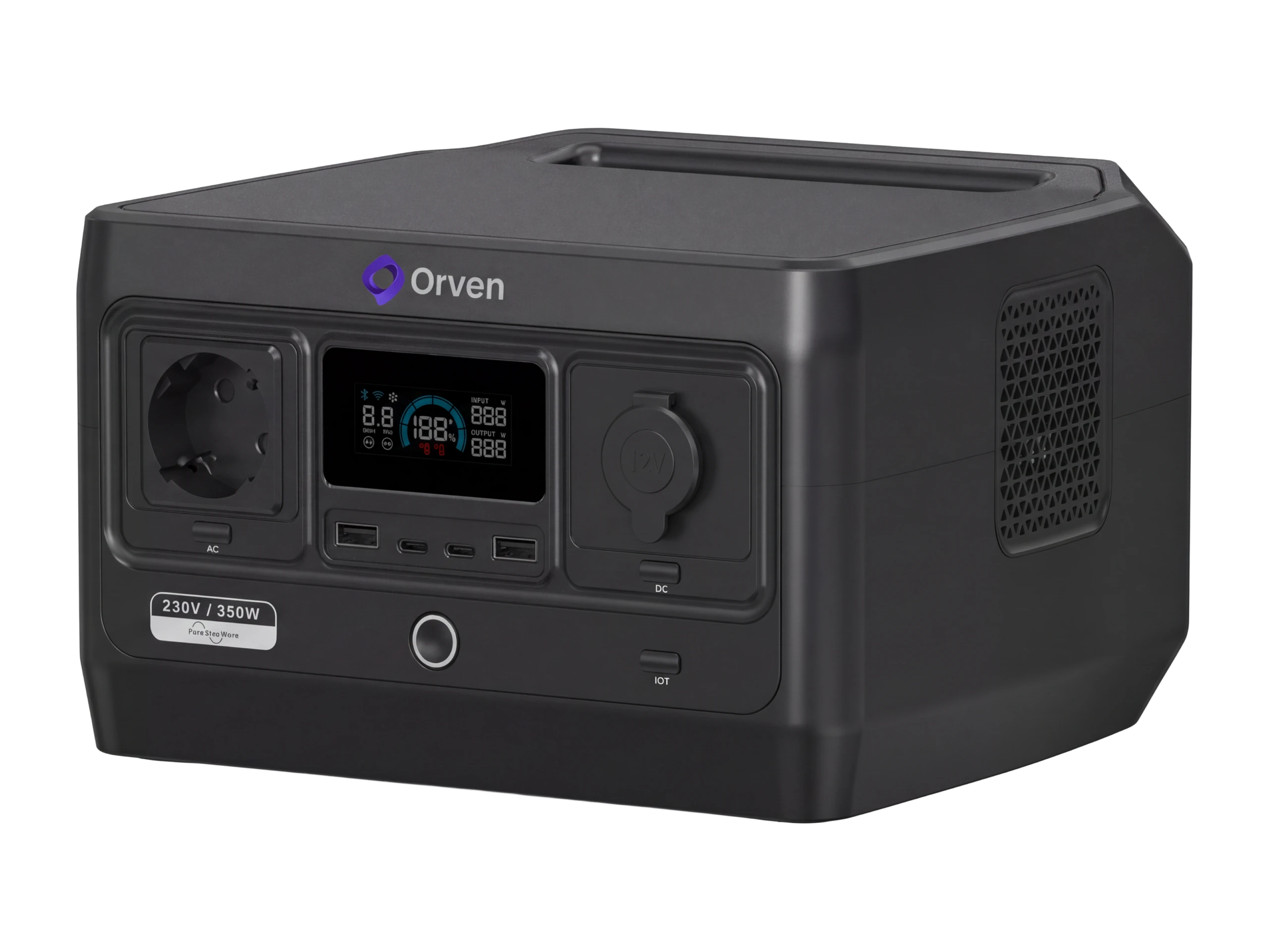
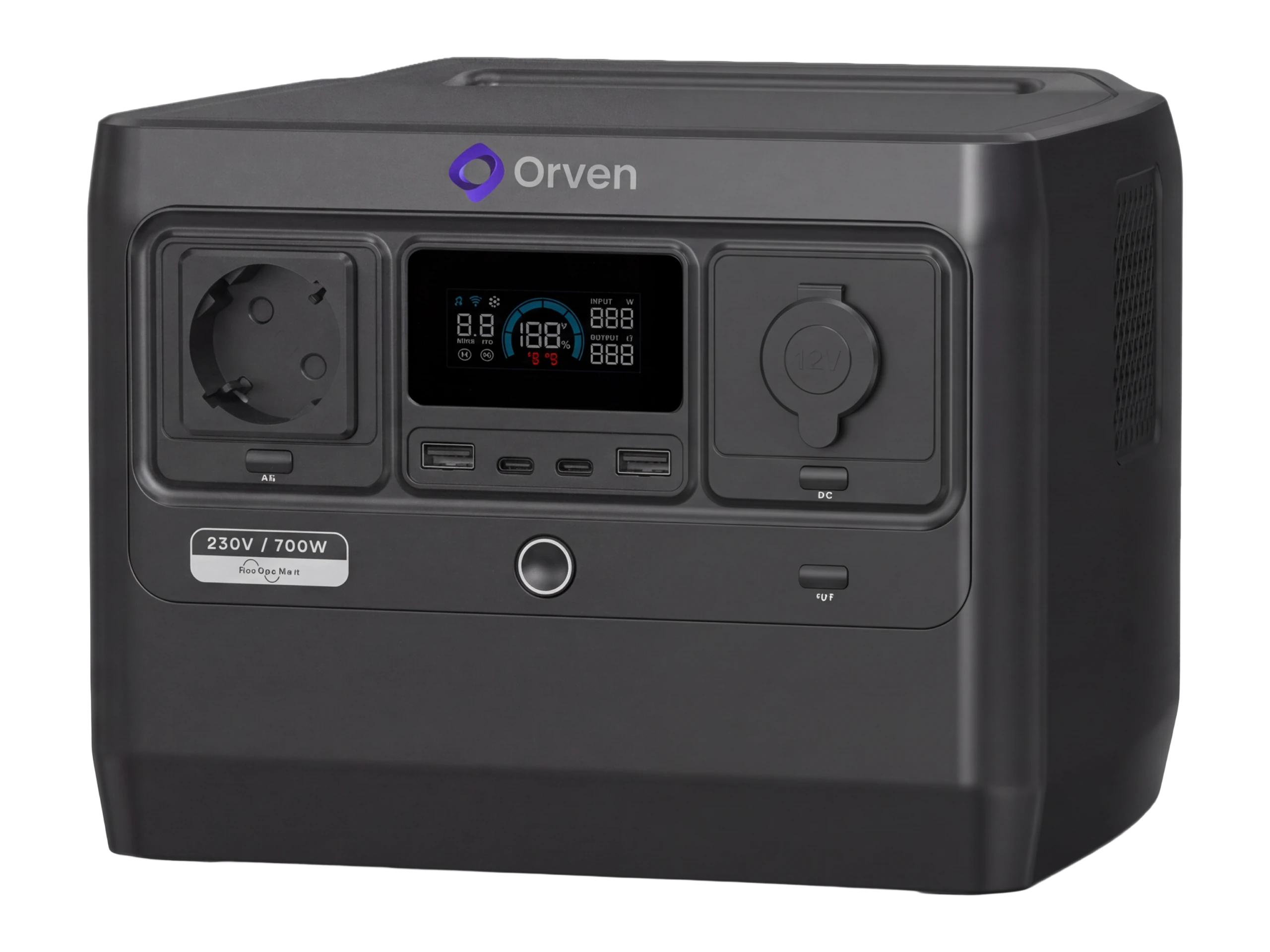
The total input and output power must stay below the model's bypass limit; above it the unit cuts the output. The limits: Nova 575W, Nova Plus 990W, Orion 1000 2000W, Orion 2000 2500W, Orion 3000 3600W, Orion 5000 5000W, Aura 3000W, Aura Ultra 3600W, Force 3600W, Force Max 5000W. If you use Nova or Nova Plus as an uninterruptible power supply, keep the AC output below 350W and 700W.
Protection systems, environmental conditions and transport rules.
The battery management system (BMS) protects against overcharge and overdischarge, overcurrent, short circuit, high and low temperature, and cell voltage imbalance. When a limit is exceeded, the unit cuts the output and shows an error code on the screen.
No. Because of aviation rules on lithium-based batteries, these products cannot be taken on board.
Each model has its own IP protection rating, stated on the product page. Solar panels are IP65/IP68, while the power stations have a lower rating; do not expose them to rain.
Use it horizontally on a flat, stable surface. Do not use it upright. Do not block the ventilation openings.
No. The battery management system and the communication protocol are specific to the product. LFP batteries also require a charger made for lithium iron phosphate.
Shipping, delivery time, payment and the right of withdrawal.
No. Outbound shipping and return shipping under the right of withdrawal are free of charge.
The estimated delivery time is 3-5 business days; the maximum delivery time is 30 days. The order is processed once payment has been confirmed.
You pay with the methods and instalment options offered at checkout. Your card details are not stored; payments run through the infrastructure of an authorised payment institution. Your invoice arrives by email as an e-archive invoice.
Yes. You may exercise your right of withdrawal within 14 days of receiving the goods, without giving any reason. You can send the withdrawal notice using the form on the Distance Sales Agreement page.
In the event of withdrawal, all payments collected, including delivery costs, are refunded within 14 days at the latest. You are not charged for the return shipping.
Warranty period, coverage, the repair process and how to request service.
Orven products are covered by a 2-year statutory warranty. For portable power stations and Stack modules, registering your product in the Orven app or in your account on the website adds a free 1-year additional warranty, bringing the total to 3 years. LFP batteries, solar panels and accessories are covered only by the 2-year statutory warranty.
It covers manufacturing, material and workmanship defects. Exclusions and details are set out on the Warranty Policy page.
Repairs for faults covered by the warranty are free of charge, and the product is delivered back within 20 business days at the latest.
You are given a price quote first. No work begins without your approval.
For work covered by the warranty, shipping in both directions is free of charge.
You can apply through the Service Form. The application asks for the product's serial number and proof of purchase. Back up the data on your device before sending it.
Application and training process for dealers who want to sell Orven products.
You can start by filling in the Dealer Application Form. Our team will contact you once your application has been reviewed.
Yes. The products are not sold on a buy-and-resell basis; dealers need to know the units, how to choose capacity and the basic troubleshooting steps. The scope of the training is set after your application.
The products are portable units that you plug in and use, so no installation is required. Service is handled through the Orven service process; dealers can forward a customer's service request.
Couldn't find what you were looking for?
Portable Power Station
Portable Power Station
Portable Power Station
Portable Power Station
Portable Power Station
Portable Power Station
Portable Power Station
Portable Power Station
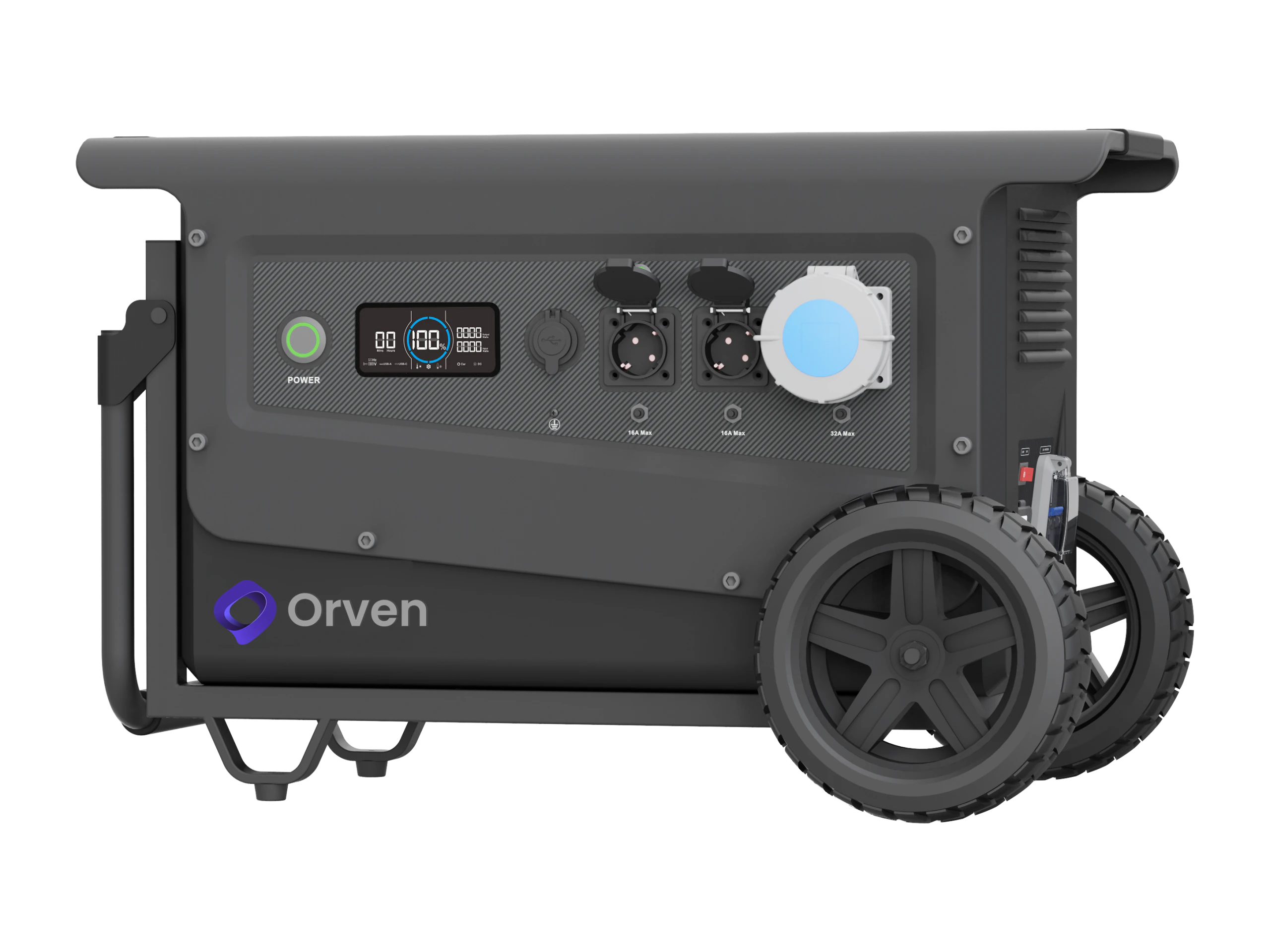
Portable Power Station
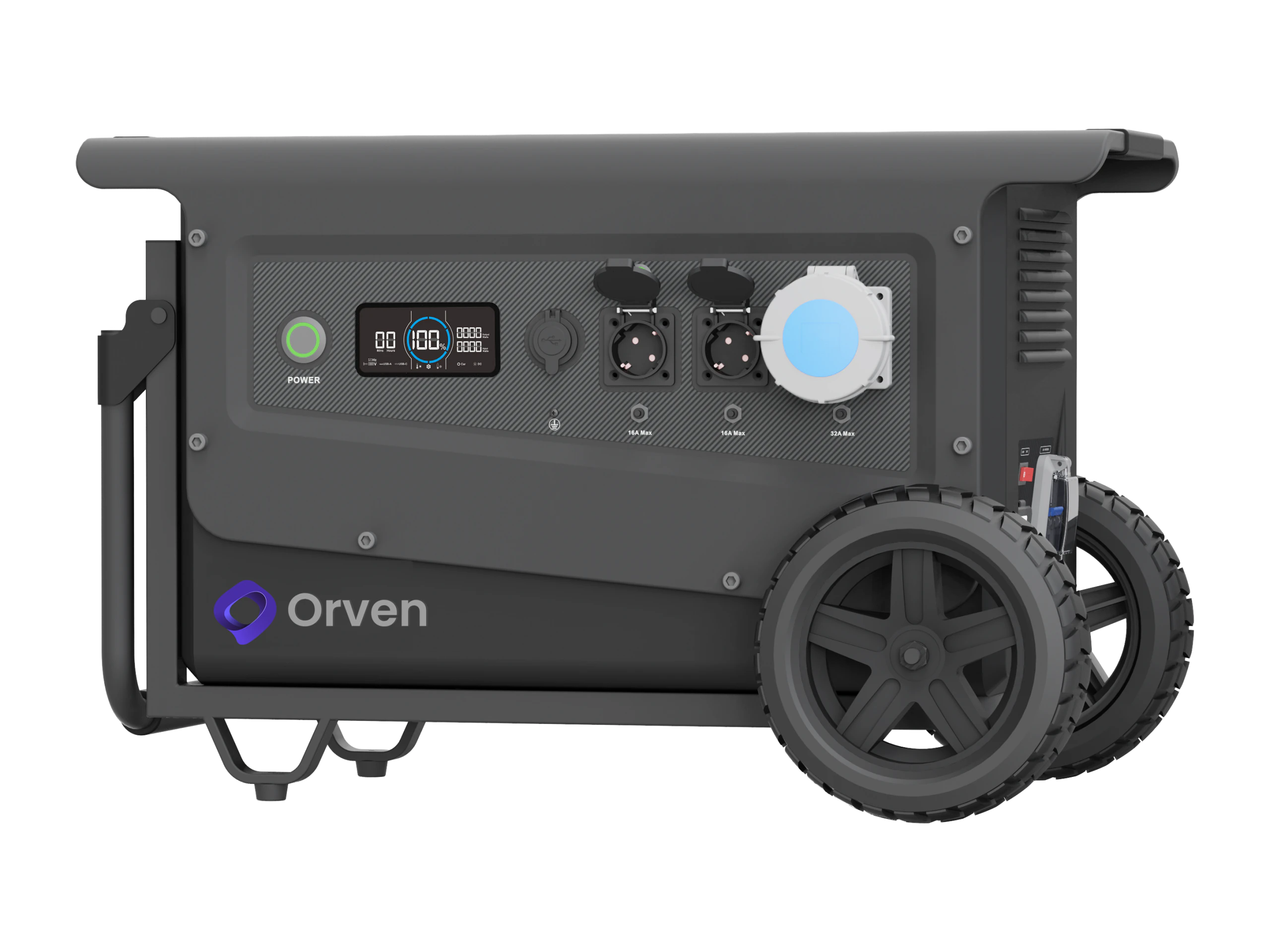
Portable Power Station
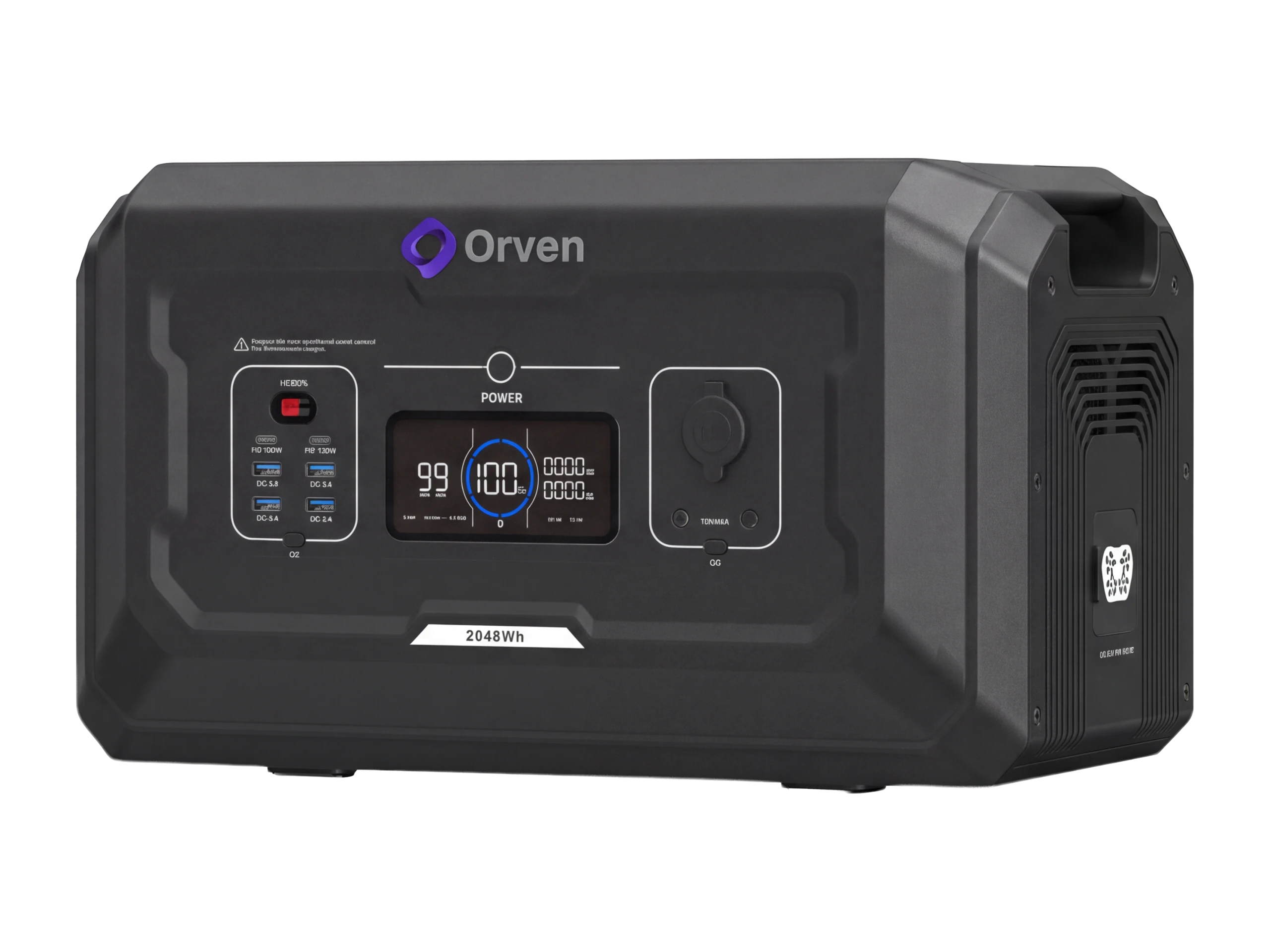
Additional Battery
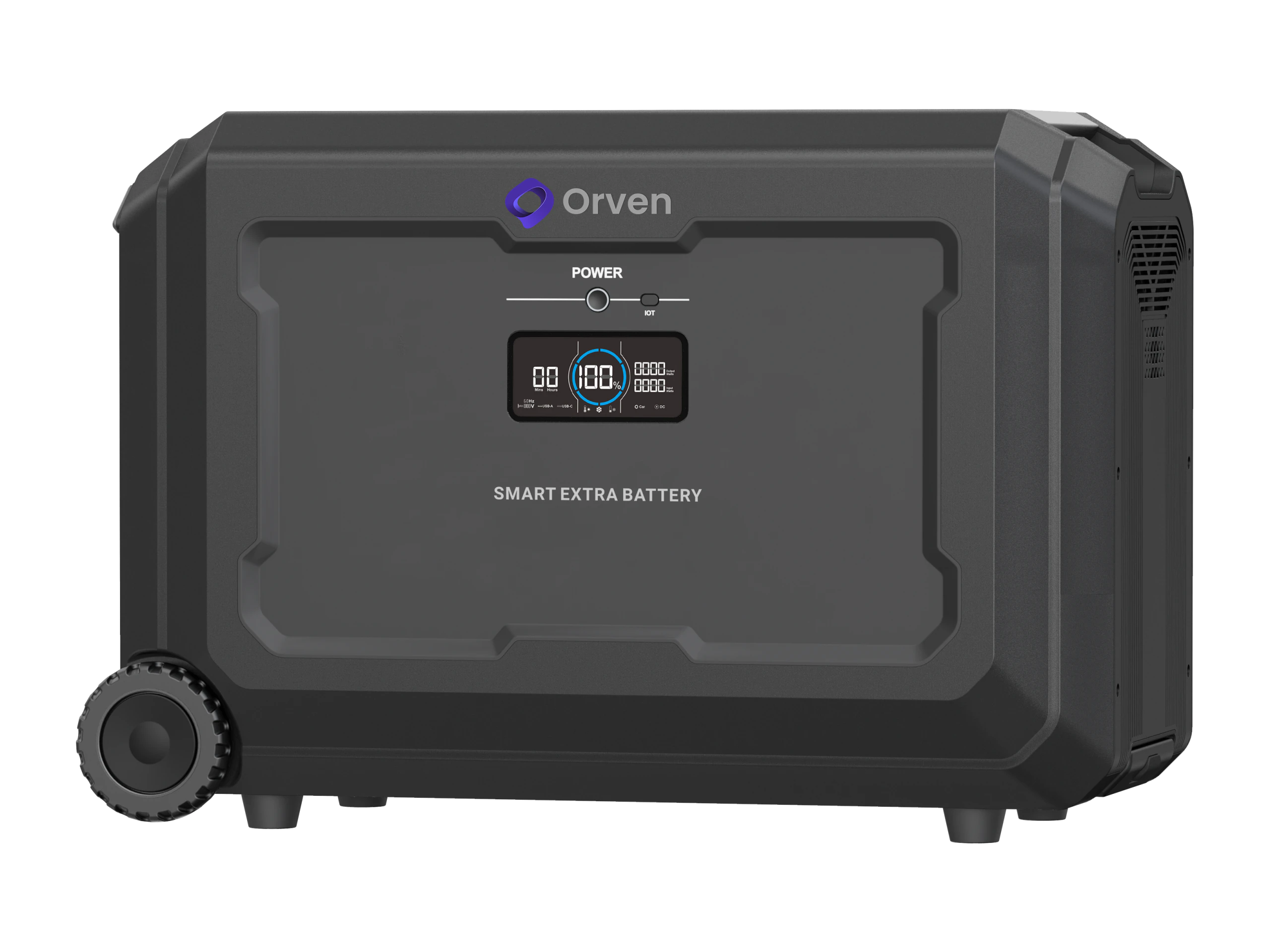
Additional Battery
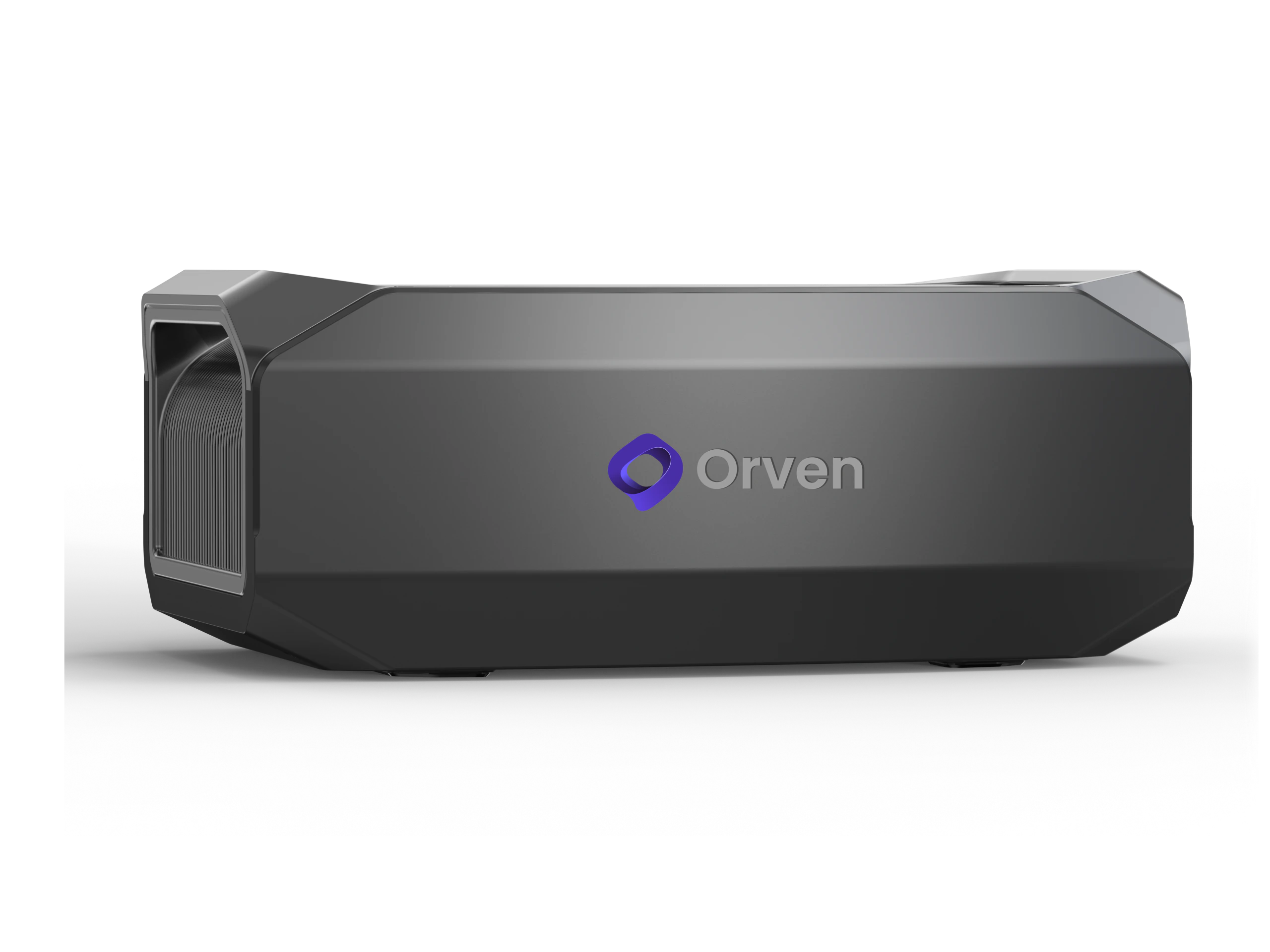
Additional Battery
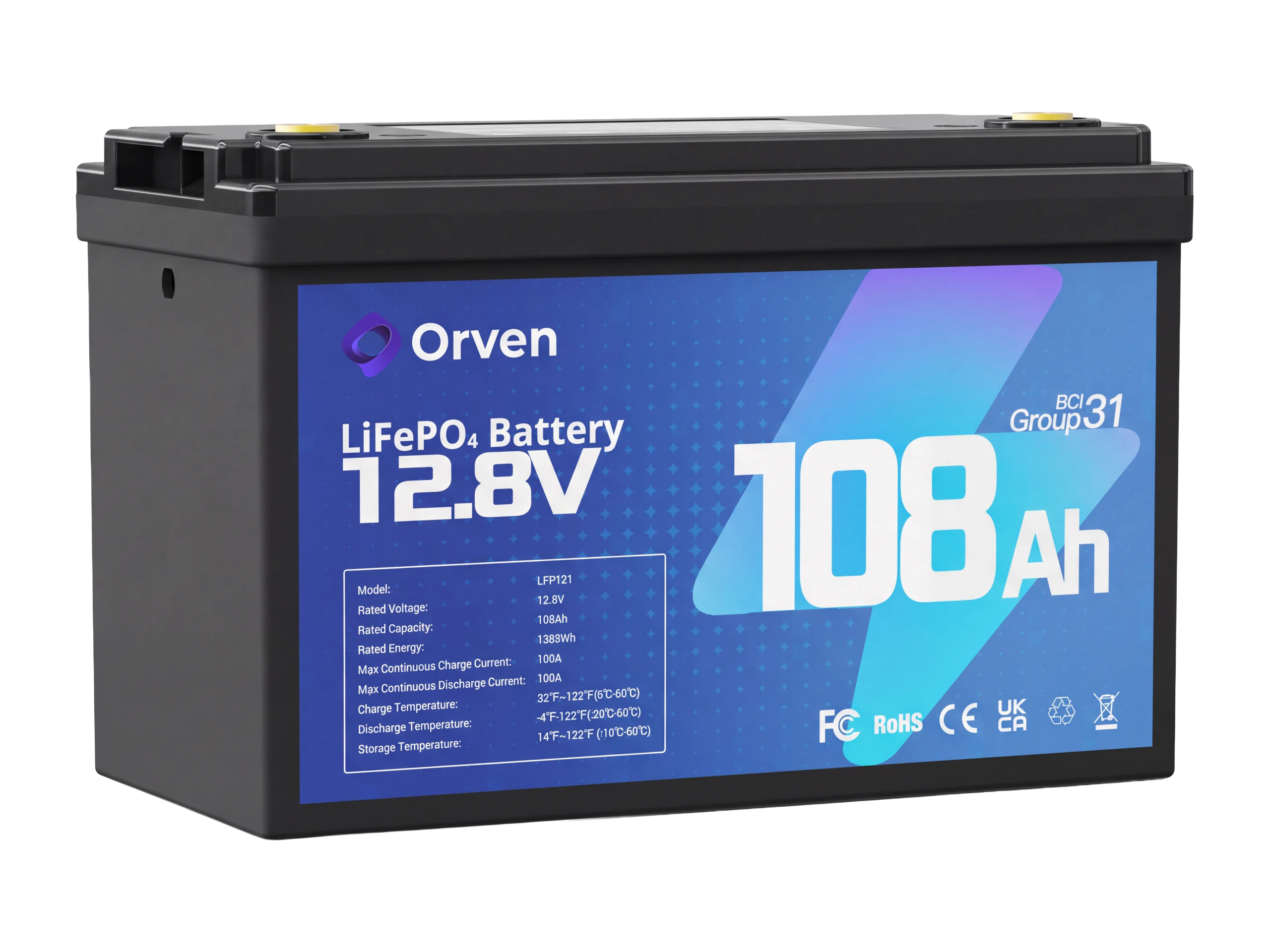
battery
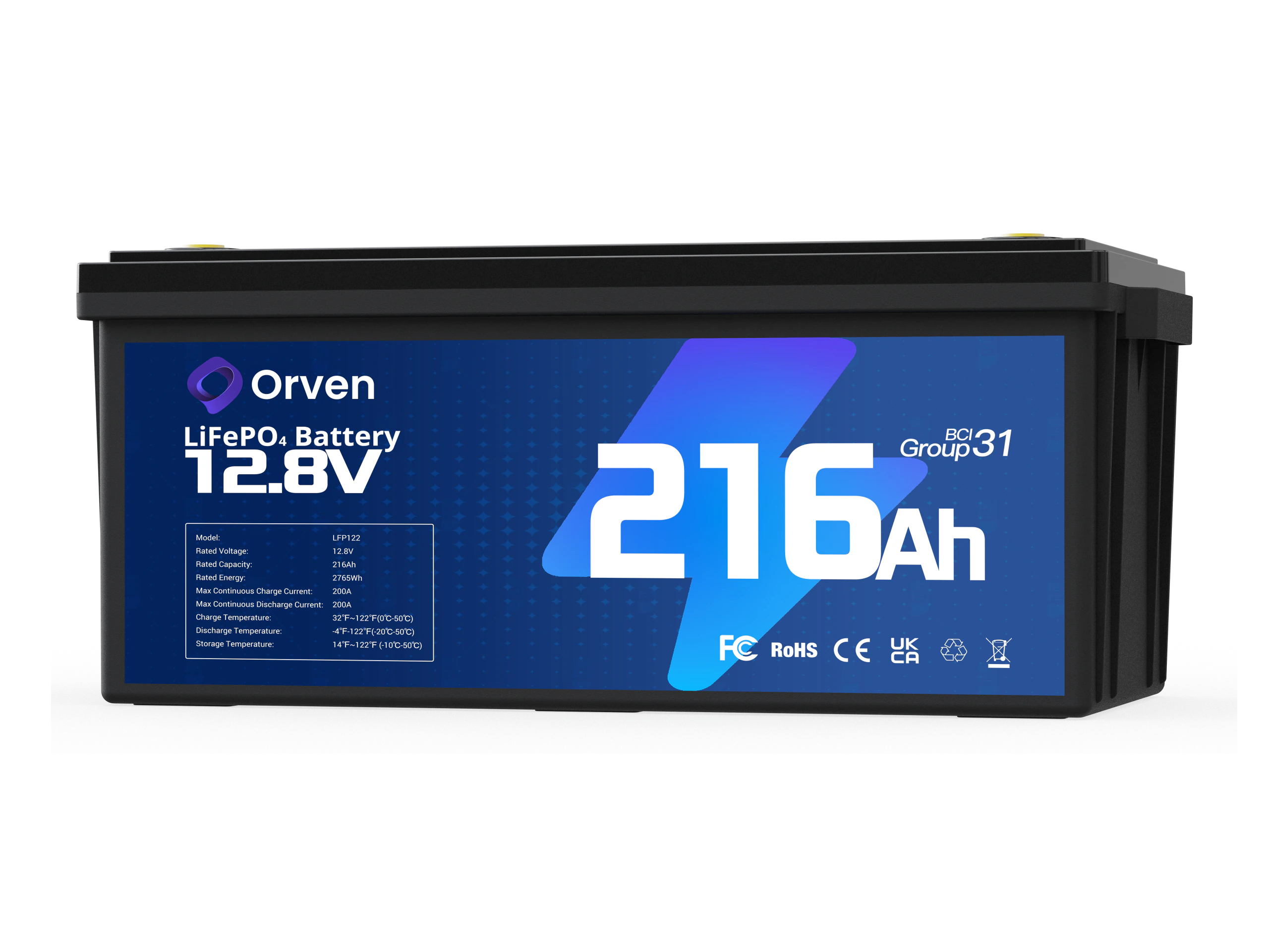
battery
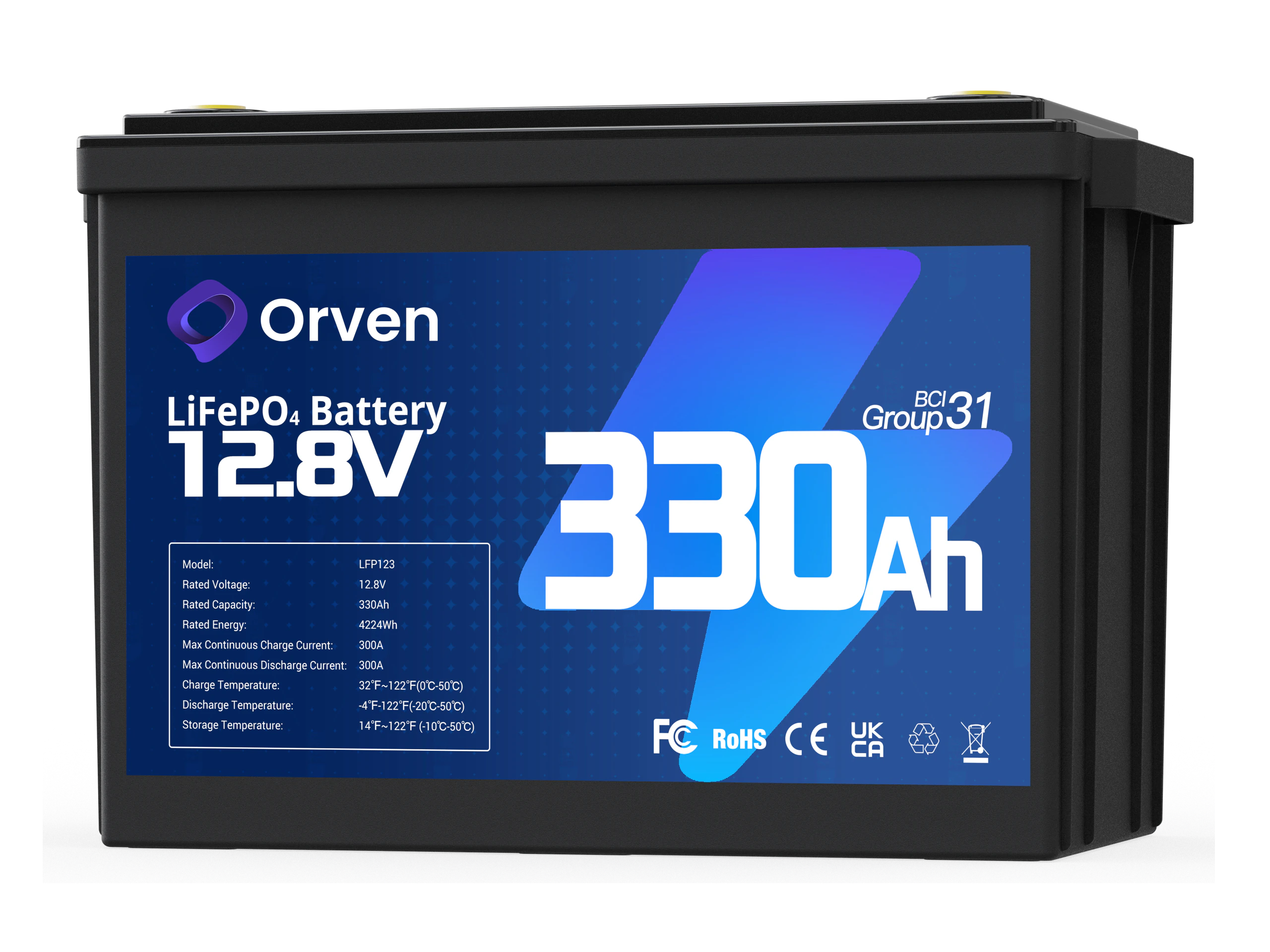
battery
battery
FORMS & SUPPORT
Cookie preferences
We always use the cookies needed for the site to work. If you allow it, we, Orven Enerji Limited Şirketi, measure how you use the site with Google Analytics and Microsoft Clarity, keep your Orva conversations for up to 90 days and load external content such as Google Maps. This data also goes to Google and Microsoft servers in the USA; Microsoft may use Clarity data for its own purposes, including advertising. You can change your choice at any time. Cookie policy
For the session, security, form validation and remembering this choice. The site cannot work without them.
With Google Analytics we measure which pages are used and how; with Microsoft Clarity, where people click on a page and where they get stuck (heatmaps and session recordings). What you type into forms is not recorded. Your Orva conversations are kept for at most 90 days, with email addresses and phone, ID, IBAN and card numbers hidden. Analytics data is also transferred to Google and Microsoft (USA). Microsoft is a controller of Clarity data separate from us and may use this data for its own purposes, including advertising.
Content from other companies, such as Google Maps on the contact page. When loaded, these companies may use their own cookies.